Complimentary Implant Consultation - Savings up to 50%


By City Park Dental | June 29, 2026
A cracked or broken tooth can stop you in your tracks. Whether it happened biting into something hard or you noticed it after waking up, cracked tooth pain is something Charlotte patients should never ignore. Knowing what to do before your appointment can protect your tooth, reduce discomfort, and help your dentist provide the best possible care. This guide walks you through exactly what to do — and what to avoid — until you can be seen.
Why Cracked Tooth Pain Happens and Why It Matters
Your tooth enamel is incredibly strong, but it is not unbreakable. Biting down on hard foods, grinding your teeth at night, or an unexpected injury can all cause a crack. Once the enamel breaks, the sensitive inner layers of the tooth become exposed.
That exposure is what causes sharp, intense pain — especially when you bite down, drink something cold, or feel a rush of air. The pain may come and go, which can make it easy to dismiss. Do not dismiss it.
Cracks can worsen quickly without treatment. A small fracture left untreated can deepen, reach the root, or allow bacteria to enter the tooth. What starts as a minor issue can become a much more complex dental problem. Acting early almost always leads to a better outcome.
What to Do Right Away in Charlotte Before You See a Dentist
If you are dealing with cracked tooth pain before your appointment in Charlotte, these immediate steps can make a real difference. Acting quickly and carefully protects both the tooth and your overall comfort.
- Rinse with warm salt water. This gently cleanses the area and reduces the risk of infection without irritating the crack.
- Apply a cold compress. Hold it to the outside of your cheek in 10-minute intervals to reduce swelling and numb the area.
- Take over-the-counter pain relief. Ibuprofen or acetaminophen can help manage pain and reduce inflammation. Follow the dosage instructions on the package.
- Use dental wax or temporary cement. If a piece of tooth has broken off and left a sharp edge, dental wax from a drugstore can cover it temporarily.
- Keep the area clean. Brush gently and avoid letting food particles sit near the crack.
These steps are not a substitute for professional care. They are meant to help you manage discomfort safely until your appointment.
What to Avoid After a Cracked Tooth
Just as important as knowing what to do is knowing what not to do. Certain habits and choices can make a cracked tooth significantly worse before you ever reach the dental chair.
- Avoid chewing on the affected side. Every bite puts pressure on the crack and can cause it to deepen or the tooth to split further.
- Skip very hot or very cold foods and drinks. Temperature extremes trigger intense nerve pain and can inflame the tooth pulp.
- Do not use topical numbing agents directly in the crack. Products like benzocaine can irritate gum tissue and mask warning signs you need to feel.
- Avoid aspirin directly on the tooth or gum. This old home remedy can actually burn soft tissue and cause more harm than good.
- Do not wait too long to call your dentist. If pain is severe, your cheek or jaw is swelling, or you have a fever, treat it as an emergency.
The goal is to keep the situation stable — not to heal it yourself. Your dentist has the tools and training to properly assess and treat the crack.
When a Cracked Tooth Becomes a Dental Emergency
Some cracked teeth can wait a day or two for a scheduled appointment. Others require same-day attention. Knowing the difference is important for Charlotte patients managing cracked tooth pain before their appointment.
Seek immediate care if you experience any of the following:
Severe, throbbing pain that does not respond to over-the-counter medication. Visible swelling in the jaw, face, or neck. A fever or swollen lymph nodes near your jaw. A broken tooth with exposed pulp — the pink or red tissue at the center of the tooth. A crack that has caused a large piece of the tooth to fall away.
These signs may indicate an infection or a crack that has reached the root. Both situations require urgent treatment. At City Park Dental, our team is ready to help Charlotte patients through dental emergencies with prompt, compassionate care.
What Your Dentist Will Do to Treat a Cracked Tooth
The right treatment depends on the size, depth, and location of the crack. Your dentist will examine the tooth thoroughly — often using a magnifying instrument or special dye to see the full extent of the fracture.
For minor surface cracks, bonding or polishing may be all that is needed. Deeper cracks that affect more of the tooth structure are commonly treated with Crowns Bridges, which cap the tooth and hold it together to prevent further splitting. This is one of the most effective and durable solutions available.
If the crack has reached the inner pulp of the tooth, a root canal may be necessary before a crown is placed. In cases where the crack extends below the gumline and cannot be saved, extraction may be the only option. Your dentist will always discuss every option clearly before any treatment begins.
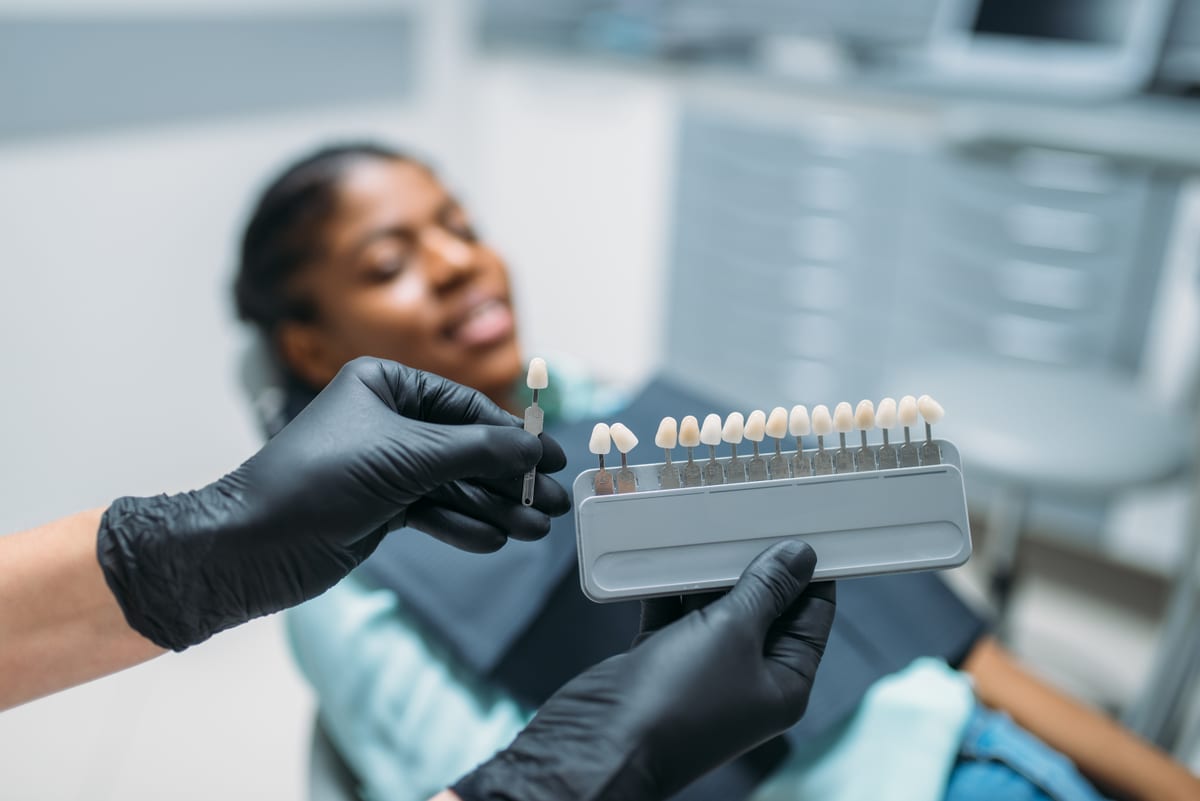
Once the tooth is stabilized, some patients choose to explore Cosmetic Dentistry options to restore the appearance of their smile. Treatments like veneers, whitening, or bonding can complement the structural repair and give you a result you feel confident about.
Frequently Asked Questions
How do I know if my tooth is cracked or just sensitive?
Cracked tooth pain often feels sharp and sudden, especially when biting down or exposing the tooth to temperature changes. Sensitivity alone may not mean a crack, but if the pain is localized, intense, or comes and goes with pressure, a crack is a strong possibility. A dental exam is the only way to know for certain.
Can a cracked tooth heal on its own?
No. Unlike bone, tooth enamel does not regenerate. A crack will not close or repair itself over time. Without treatment, cracks tend to worsen and can lead to infection, nerve damage, or tooth loss. Early treatment is always the better path.
Is a cracked tooth always an emergency?
Not always, but it depends on the severity. A small, superficial crack with manageable discomfort may be treatable at a scheduled appointment. However, severe pain, swelling, fever, or a large break should be treated as an emergency requiring same-day care.
What happens if I leave a cracked tooth untreated?
Leaving a cracked tooth untreated gives bacteria an entry point into the inner layers of the tooth. This can lead to infection, abscess, spreading pain, and eventually tooth loss. Treating a crack early is far simpler — and less costly — than treating a fully infected or broken tooth later.
Will a crown fix my cracked tooth completely?
A dental crown is one of the most reliable solutions for a cracked tooth. It covers the entire visible portion of the tooth, holds the crack together, and restores full function. Most patients with crown-treated cracked teeth experience complete relief and can chew normally again. Your dentist will confirm whether a crown is the right solution based on the depth of your specific crack.
At City Park Dental, we understand how stressful and uncomfortable a cracked tooth can be. Our team in Charlotte is here to guide you from that first sharp moment of pain all the way through a complete recovery. Do not wait for a small crack to become a bigger problem. Book Now to schedule your appointment with our team.


Ready to Experience Comfortable, Complete Dental Care
At City Park Dental, we’re here to help you achieve a healthier, more confident smile with personalized care for every stage of life. Whether you need a routine checkup, cosmetic treatment, or emergency dental support, our friendly team is ready to welcome you. Schedule your appointment today and discover dentistry designed around you.
Book Online
Live agent available 24/7

980-981-0357