Complimentary Implant Consultation - Savings up to 50%

By City Park Dental | June 22, 2026
So you’re wondering — will teeth whitening actually work for you in Charlotte? It’s one of the most common questions our dental team hears. Whitening is one of the most popular treatments in Cosmetic Dentistry, but it doesn’t deliver the same results for everyone. Understanding your candidacy before you start can save you time, money, and frustration.
How Teeth Whitening Works — And Why It Matters for Candidacy
Most whitening treatments use hydrogen peroxide or carbamide peroxide. These chemicals penetrate the outer enamel layer and break apart stain molecules. The process works well on organic stains that have built up over time. However, it only works on natural tooth enamel — not on restorations or structural discoloration.
This distinction is critical. Many Charlotte patients assume whitening is a universal fix. But the type of stain you have largely determines your outcome. Knowing the difference between extrinsic and intrinsic staining is the first step.
Extrinsic stains sit on the surface of your teeth. Intrinsic stains are embedded deeper in the tooth’s dentin layer. Whitening products are much more effective against extrinsic stains. Intrinsic staining often requires a different approach entirely.
Who Gets the Best Whitening Results in Charlotte
Patients with naturally yellowish teeth from food and drink tend to see dramatic results. Coffee, tea, red wine, and tobacco are major contributors to extrinsic staining. If these are your primary culprits, professional whitening can lighten your smile by several shades. This group typically sees the most satisfying outcomes.
Healthy enamel is also a key factor. Strong, intact enamel allows the whitening agent to work evenly and effectively. Patients without significant gum disease or sensitivity often tolerate the process better as well. Our dental team will evaluate your enamel health before recommending any whitening protocol.
Here are the characteristics that predict excellent whitening results:
- Yellow or light brown staining from food and beverages
- Tobacco-related surface discoloration
- Healthy gums and tooth enamel with no active decay
- No significant dental restorations in the smile zone
- Realistic expectations about the degree of lightening possible
Who May Not See the Results They Expect
Not every Charlotte patient is a strong candidate for whitening. Several specific conditions can limit or completely block results. Understanding these upfront helps you make a smarter decision for your smile.
Dental restorations: Crowns, veneers, and bonding do not respond to whitening agents. The bleaching chemicals only affect natural tooth structure. If you have visible Crowns Bridges or other restorations in your smile zone, whitening can create uneven color. Your natural teeth may lighten while restorations stay the same shade.
Intrinsic staining: Some discoloration originates inside the tooth itself. This type of staining is much harder to treat with standard whitening. It often requires cosmetic solutions like veneers or bonding to achieve visible improvement.
Medication-induced staining: Tetracycline antibiotics taken during childhood can cause deep gray or brown banding inside the tooth. This type of staining is particularly resistant to bleaching. Surface whitening products rarely make a meaningful difference in these cases.
Patients in these categories are not out of options — they simply need a different treatment plan. Here is a quick overview of common non-candidacy scenarios:
- Existing crowns, bridges, or veneers in the smile zone
- Gray or blue-toned intrinsic staining
- Tetracycline or antibiotic-related discoloration
- Fluorosis causing white spots or mottling on enamel
- Severely thinned or eroded enamel
Will Teeth Whitening Actually Work for You in Charlotte — Exploring Your Alternatives
If standard whitening isn’t the right fit, Charlotte patients have excellent alternatives. Porcelain veneers are wafer-thin shells bonded to the front of your teeth. They cover discoloration that bleaching cannot reach. Veneers are especially effective for tetracycline staining, fluorosis, and deep intrinsic discoloration.
Dental bonding is another option for isolated staining on specific teeth. It’s less invasive than veneers and can be completed in a single visit. For patients with multiple restorations, our team may suggest replacing older crowns or veneers with a uniform, lighter shade. This creates a more consistent result across your entire smile.
In some cases, a combination approach works best. A patient might whiten their natural teeth first, then replace older restorations to match. Our dental team can map out a sequence that makes sense for your specific situation. Every treatment plan starts with an honest assessment of what’s realistically achievable.
What to Expect When You Visit City Park Dental for a Whitening Consultation
Our team in Charlotte doesn’t believe in one-size-fits-all whitening recommendations. Your consultation begins with a thorough examination of your teeth and gums. We assess your enamel health, identify the type of staining present, and note any existing restorations. From there, we can give you an honest prediction of your likely results.
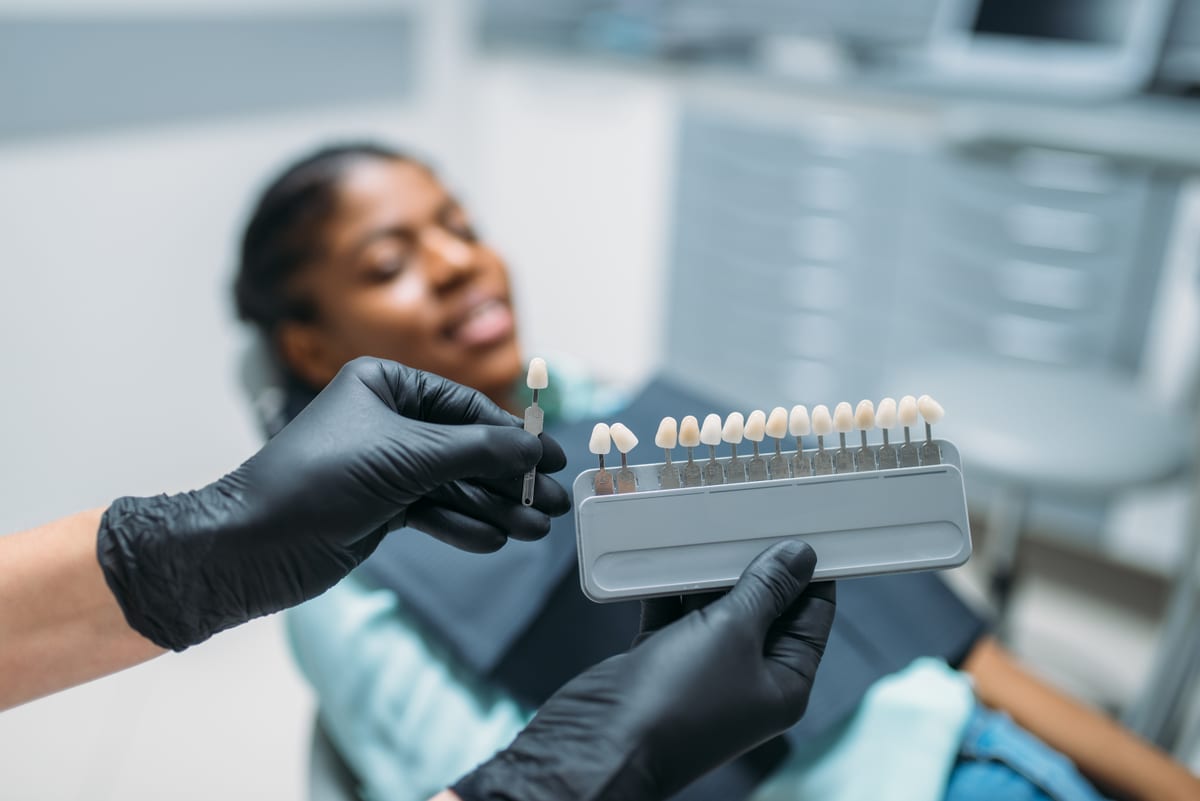
We offer both in-office professional whitening and take-home tray systems. In-office treatments deliver faster, more controlled results. Take-home trays allow for gradual whitening at your own pace. Both options use professional-strength formulas that over-the-counter products cannot match.
We also discuss sensitivity management during your visit. Some patients experience temporary sensitivity during or after whitening. We can recommend desensitizing products and treatment timing strategies to minimize discomfort. Your comfort is part of the process from start to finish.
Frequently Asked Questions
Does teeth whitening work on crowns or veneers?
No. Whitening agents only affect natural tooth enamel. Crowns, veneers, and dental bonding do not change color with bleaching treatments. If you have restorations in your smile zone, whitening may create an uneven appearance between your natural teeth and restorations.
Why didn’t teeth whitening work for me before?
There are several possible reasons. You may have intrinsic staining that sits below the enamel surface. Your staining may be medication-related, such as from tetracycline antibiotics. Restorations in the smile zone can also limit visible results. A professional consultation can identify the exact cause and suggest better alternatives.
Is professional whitening better than store-bought products?
Yes, in most cases. Professional whitening uses higher-concentration peroxide formulas not available over the counter. The results are faster and more dramatic. Our dental team also customizes the treatment to your specific staining type and enamel health, which leads to better and safer outcomes.
Can whitening fix gray or blue-toned teeth?
Gray or blue tones typically indicate intrinsic staining, often from tetracycline use during tooth development. Standard whitening has very limited effectiveness against this type of discoloration. Porcelain veneers are usually the most effective solution for gray or blue-toned teeth.
How long do whitening results last?
Results typically last six months to two years depending on your diet and habits. Avoiding staining foods and beverages helps extend results. Occasional touch-up treatments can maintain your brighter smile over time. Our dental team can recommend a maintenance schedule based on your individual needs.
If you’re ready to find out whether whitening is the right step for your smile, our Charlotte team is here to help. We offer honest evaluations and personalized treatment plans — no guesswork, just clarity. Book Now to schedule your appointment with our team.


Ready to Experience Comfortable, Complete Dental Care
At City Park Dental, we’re here to help you achieve a healthier, more confident smile with personalized care for every stage of life. Whether you need a routine checkup, cosmetic treatment, or emergency dental support, our friendly team is ready to welcome you. Schedule your appointment today and discover dentistry designed around you.
Book Online
Live agent available 24/7

980-981-0357