Complimentary Implant Consultation - Savings up to 50%

By City Park Dental | June 15, 2026
If you’re exploring cosmetic dental options in Charlotte, you’ve likely wondered about veneers vs. bonding — which cosmetic fix fits your budget and timeline. Both treatments can dramatically improve your smile. But they differ in cost, longevity, invasiveness, and the concerns they address best. This guide breaks down each option clearly so you can make a confident, informed decision.
Understanding Veneers and Bonding: The Key Differences
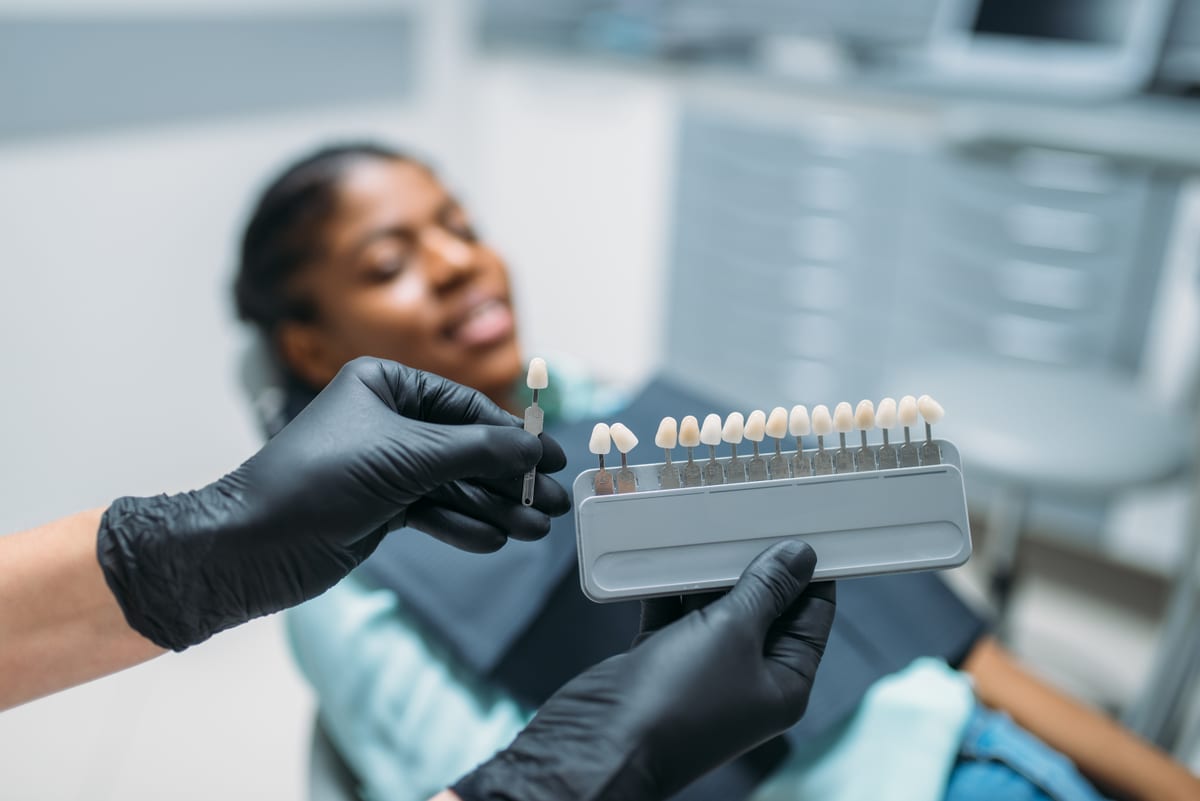
Veneers are thin porcelain or composite shells custom-made to cover the front surface of a tooth. They’re a popular choice under Cosmetic Dentistry because they deliver dramatic, long-lasting results. Bonding, on the other hand, uses a tooth-colored resin applied directly to the tooth and shaped by hand.
Veneers typically require two visits and some enamel removal. Bonding is usually completed in a single appointment with minimal prep work. Both options can fix chips, discoloration, gaps, and minor misalignment.
The right choice depends on your specific concern, your timeline, and how long you want the results to last. Understanding the core differences helps you start that conversation with your dental team on solid footing.
Cost and Timeline: What Charlotte Patients Should Expect
Cost is often the deciding factor when comparing veneers vs. bonding for Charlotte residents. Dental bonding is generally the more affordable option upfront. A single bonded tooth typically costs a fraction of what a porcelain veneer runs.
Veneers cost more per tooth because they are custom-fabricated in a dental lab. However, they often last 10 to 20 years with proper care. Bonding typically lasts 3 to 7 years before it needs touch-ups or replacement.
If your budget is tight right now, bonding offers a meaningful cosmetic improvement without a large investment. If you’re planning for long-term results and have more flexibility, veneers often deliver a better return over time.
- Bonding cost: Lower upfront, typically ranges per tooth
- Veneers cost: Higher per tooth, but longer-lasting
- Bonding timeline: One appointment, usually 30–60 minutes per tooth
- Veneers timeline: Two visits over a few weeks, including lab fabrication
Longevity and Durability: Which Option Holds Up Longer?
Porcelain veneers are highly durable and resist staining better than composite resin. They maintain their appearance for many years with routine care. Bonding material is more porous and can stain from coffee, tea, and red wine over time.
Veneers also handle daily bite pressure well. Bonding is more prone to chipping, especially on teeth that experience heavy use. If you grind your teeth at night, your dental team may recommend veneers or a nightguard to protect bonding.
That said, bonding is easier to repair. If a bonded tooth chips, your dentist can fix it quickly and affordably. Repairing a veneer is more involved and may require replacing the entire shell.
- Veneers resist staining and last 10–20 years
- Bonding may stain and typically lasts 3–7 years
- Bonding is quicker and easier to repair
- Veneers are more resistant to chipping under pressure
- Both options require good oral hygiene to maintain results
Invasiveness: How Much Tooth Structure Is Affected?
One major difference between veneers and bonding is how they affect your natural tooth structure. Traditional porcelain veneers require the dentist to remove a thin layer of enamel. This process is irreversible, so veneers are considered a permanent commitment.
Composite bonding requires little to no enamel removal in most cases. This makes it a reversible and conservative option. Many patients appreciate that bonding preserves more of their original tooth.
For patients concerned about altering their teeth permanently, bonding is a gentler starting point. However, newer no-prep or minimal-prep veneers are now available. These require even less enamel removal and may be worth discussing with your dental team.
Some patients also combine treatments. For example, they may use veneers on front teeth and bonding for minor repairs elsewhere. Your dental team can recommend an approach tailored to your specific smile goals.
Which Cosmetic Fix Is Right for Your Smile Concern?
The best choice between veneers and bonding depends on what you want to fix. For severe discoloration that doesn’t respond to whitening, veneers typically deliver superior results. For a small chip or a minor gap, bonding is often the faster and more cost-effective solution.
If you’re looking to transform multiple teeth at once, veneers create a more uniform and polished result. Bonding works best for isolated corrections on one or two teeth. It’s also a great option if you’re not ready for a full smile makeover yet.
Patients dealing with structural damage may also need to explore options like Crowns Bridges, which offer even greater protection for severely damaged teeth. Your dental team will assess your tooth structure and recommend the safest approach for your long-term oral health.
At City Park Dental, our team takes time to understand your goals before recommending any treatment. We believe education leads to better decisions and happier smiles across Charlotte, NC.
Conclusion: Making the Right Choice in Charlotte
When comparing veneers vs. bonding — which cosmetic fix fits your budget and timeline in Charlotte — there’s no single right answer. Both treatments have real benefits depending on your situation. Bonding is faster, more affordable, and less invasive. Veneers offer superior durability and a more dramatic transformation.
The most important step is speaking with an experienced dental team who can evaluate your teeth and listen to your goals. City Park Dental in Charlotte, NC is here to guide you through that process with honesty and care. Book Now to schedule your appointment with our team.
Frequently Asked Questions
Is dental bonding or veneers better for fixing discolored teeth?
Veneers are generally better for severe or deep discoloration because porcelain resists staining and covers the tooth more completely. Bonding can fix mild discoloration but may stain over time. For teeth that don’t respond to whitening, veneers typically deliver longer-lasting results.
How long does dental bonding last compared to veneers?
Dental bonding typically lasts 3 to 7 years before it needs touch-ups or replacement. Porcelain veneers can last 10 to 20 years with proper care. Longevity for both options depends on oral hygiene habits, diet, and whether you grind your teeth.
Does getting veneers hurt?
The veneer process involves removing a thin layer of enamel, which is done under local anesthesia to keep you comfortable. Most patients report minimal discomfort during and after the procedure. Your dental team will ensure you feel at ease throughout the process.
Can dental bonding be used on multiple teeth at once?
Yes, bonding can be applied to multiple teeth in one visit. However, for larger smile makeovers involving many teeth, veneers often create a more uniform and polished appearance. Your dentist will help you determine the best approach based on your goals and the number of teeth involved.
What is the difference between veneers and dental crowns?
Veneers cover only the front surface of a tooth and are used primarily for cosmetic improvements. Dental crowns cap the entire tooth and are used when a tooth is significantly damaged, weakened, or cracked. Your dental team will recommend crowns when more structural protection is needed beyond what a veneer can provide.


Ready to Experience Comfortable, Complete Dental Care
At City Park Dental, we’re here to help you achieve a healthier, more confident smile with personalized care for every stage of life. Whether you need a routine checkup, cosmetic treatment, or emergency dental support, our friendly team is ready to welcome you. Schedule your appointment today and discover dentistry designed around you.
Book Online
Live agent available 24/7

980-981-0357