Complimentary Implant Consultation - Savings up to 50%

By City Park Dental | September 28, 2026
You finished Invisalign — congratulations! Your smile looks amazing, and you feel great. But here’s the truth most patients don’t hear enough: the work isn’t over yet. Understanding what happens after Invisalign and why your retainer is non-negotiable in Charlotte is the key to keeping that smile for life. Skip this step, and your teeth can shift back faster than you think.
What Happens to Your Teeth After Invisalign?
Your teeth moved gradually throughout Invisalign treatment. That movement was possible because the surrounding bone and tissue adapted over time. Once your aligners stop, your teeth are in their new positions — but they aren’t locked in place yet.
The bone and ligaments around each tooth need time to stabilize. This process is called retention, and it’s a critical phase of orthodontic care. Without support during this phase, teeth naturally drift back toward their original positions.
Dentists call this relapse, and it’s more common than most patients expect. Even small amounts of shifting can undo months of progress. That’s why your retainer isn’t optional — it’s essential.
Why Your Retainer Is Non-Negotiable in Charlotte After Invisalign
Your retainer holds your teeth in their corrected positions while your bone hardens around them. Think of it as the final phase of your treatment — not an afterthought. Many Charlotte patients assume the hard part is over once they finish their last aligner tray. In reality, skipping your retainer is one of the most common reasons people need orthodontic treatment again.
Teeth are always under pressure from chewing, speaking, and natural forces. Without a retainer, those forces push teeth back toward old habits. Your retainer counteracts that pressure every single night.
If you’ve also explored Cosmetic Dentistry Charlotte options to complement your new smile, protecting your alignment through retention is just as important as any cosmetic enhancement you add afterward.
- Retainers prevent relapse after orthodontic treatment
- They allow bone tissue to solidify around tooth roots
- They protect your investment in a straighter smile
- They’re often the most affordable part of your overall treatment
- Wearing one consistently reduces the chance of needing retreatment
How Long Do You Need to Wear a Retainer?
This is one of the most common questions we hear from Charlotte patients after Invisalign. The honest answer: most people wear retainers indefinitely. The timeline typically looks like this.
In the first few months after Invisalign, your dentist will likely recommend full-time wear. That usually means 20 to 22 hours per day — similar to your aligner schedule. You’ll remove it only to eat and brush.
After that initial phase, most patients transition to nighttime-only wear. This phase often lasts six months to a year. Eventually, many people settle into a long-term routine of wearing their retainer several nights per week.
- Full-time wear immediately after Invisalign (first 3–6 months)
- Nightly wear during the stabilization phase (months 6–12)
- Long-term part-time wear to maintain alignment indefinitely
The exact schedule depends on your individual case. Your dental team at City Park Dental will give you a plan tailored to your bite, your bone density, and how much movement your teeth required.
Types of Retainers and Which One Is Right for You
Not all retainers look or work the same way. Choosing the right type depends on your lifestyle, your compliance habits, and your dentist’s recommendation. Here’s a quick breakdown of your main options.
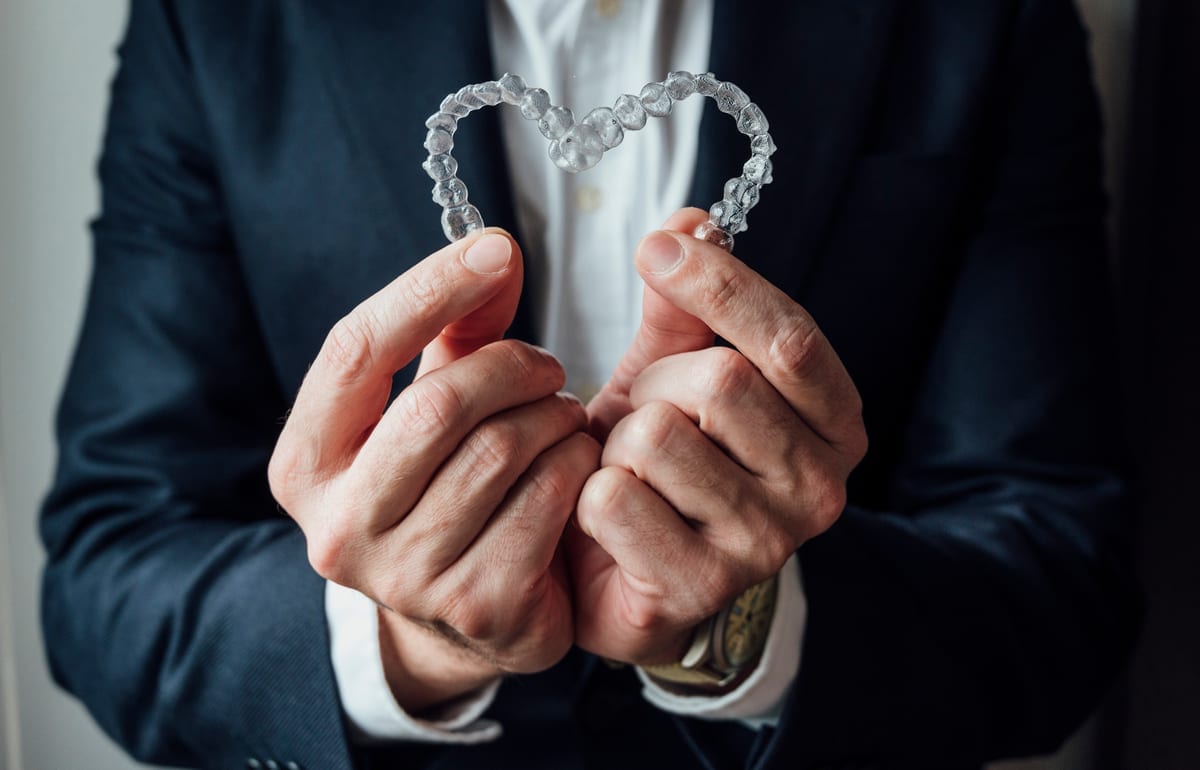
Removable clear retainers look almost identical to Invisalign trays. They’re comfortable, nearly invisible, and easy to use. Most patients prefer this style because it feels familiar after months of aligners.
Hawley retainers are made from acrylic and wire. They’re more durable than clear retainers and can be adjusted if needed. Some patients find them less comfortable, but they last longer with proper care.
Fixed or bonded retainers are thin wires bonded to the back of your teeth. You can’t remove them, which means you never forget to wear them. They require extra care during flossing but offer excellent consistency.
If your treatment also involved restoring damaged teeth, your team may recommend coordinating your retainer with restorative work. Options like Crowns Bridges Charlotte can be planned alongside retention to support both function and aesthetics long-term.
What Happens If You Stop Wearing Your Retainer?
Life gets busy. It’s easy to skip a night, then two, then a week. But teeth move faster than most people realize — especially in the first year after orthodontic treatment. Here’s what can happen without consistent retainer wear.
- Front teeth begin to crowd or overlap again
- Gaps that were closed may slowly reopen
- Your bite alignment can shift and cause jaw discomfort
- You may eventually need additional orthodontic treatment
- Cosmetic results from whitening or bonding may look different on shifted teeth
The longer you go without wearing your retainer, the harder it becomes to refit it. If a retainer feels tight after a few missed nights, that’s a sign your teeth have already started moving. Wear it anyway — carefully — and contact your dental team.
If the retainer no longer fits at all, don’t force it. Schedule an appointment so your team can assess your alignment and discuss next steps. Catching early relapse quickly is always better than waiting.
Caring for Your Retainer in Charlotte’s Climate
Charlotte’s warm summers can actually affect your retainer. Heat warps plastic, so never leave your retainer in a hot car or on a sunny countertop. Always store it in its case when you’re not wearing it.
Clean your retainer daily with a soft brush and mild soap or a retainer-specific cleaner. Avoid toothpaste — it’s too abrasive for the acrylic material. Soaking it in a retainer cleaning solution a few times per week keeps bacteria and odor away.
Replace your retainer when it shows signs of wear, cracking, or distortion. A well-maintained clear retainer typically lasts one to three years. Bonded retainers can last much longer with proper dental hygiene at home and regular checkups.
Conclusion: Protect the Smile You Worked For
You put real time and commitment into your Invisalign journey. Your retainer is what makes that investment last. After Invisalign, understanding why your retainer is non-negotiable in Charlotte could be the difference between a smile that lasts a lifetime and one that slowly drifts back. Our dental team at City Park Dental is here to guide you through every phase — from your first aligner tray to long-term retention. Book Now to schedule your appointment with our team.
Frequently Asked Questions
How soon after finishing Invisalign do I need to start wearing a retainer?
You should start wearing your retainer immediately after your last Invisalign aligner. Your dentist will provide it at your final appointment. Even a short gap between your last aligner and your retainer can allow teeth to begin shifting.
Can I wear my last Invisalign tray as a retainer?
Some patients use their final aligner tray temporarily, but it’s not designed for long-term retention. A purpose-made retainer fits more precisely and holds your teeth more effectively. Ask your dental team about transitioning to a proper retainer as soon as possible.
What should I do if my retainer feels tight after I haven’t worn it for a few days?
A tight retainer means your teeth have shifted slightly. Try wearing it gently — if it goes in without forcing, wear it consistently and the tightness should ease. If it doesn’t fit at all, contact your dental team right away to assess the situation.
How often should I visit the dentist during the retention phase?
Regular checkups remain important after Invisalign. Your dentist will monitor your alignment, check the condition of your retainer, and catch any early signs of relapse. Most patients continue with twice-yearly visits during and after the retention phase.
Will I need to wear a retainer forever?
Most orthodontists recommend long-term retainer wear — often indefinitely. The good news is that after the first year, many patients only need to wear their retainer a few nights per week. It becomes a simple habit that protects your smile for decades.

Ready to Experience Comfortable, Complete Dental Care
At City Park Dental, we’re here to help you achieve a healthier, more confident smile with personalized care for every stage of life. Whether you need a routine checkup, cosmetic treatment, or emergency dental support, our friendly team is ready to welcome you. Schedule your appointment today and discover dentistry designed around you.
Book Online
Live agent available 24/7

980-981-0357