Complimentary Implant Consultation - Savings up to 50%
By City Park Dental | January 31, 2025
Tooth decay is one of the most widespread dental problems that many people encounter. When not treated, tooth decay progresses to cavities, which need fillings. Decay leads to change in the structure and function of the teeth. But when is it time for dental fillings? To answer that, first, it is important to recognize the signs and symptoms of tooth decay. Understanding the causes also assists people to be proactive and lessens the need for dental intervention. In this article, we will discuss the most common signs and symptoms of tooth decay and its causes.
Sensitivity of Teeth
Sensitivity of teeth is one of the main symptoms which indicate that a patient more likely than not requires dental fillings in Charlotte. Teeth may hurt when exposed to sweet, hot or cold beverages and foods. For instance, consumption of ice cream or hot drinks may result to stinging pain around the teeth. Sensitivity is produced due to the decay reaching the enamel and inner layers of the tooth. Sensitive teeth occur due to the tooth decay process in which the enamel is further weakened and nears the dentin’s surface. The dentin has tiny little nerve endings that are sensitive to temperature, stimuli, and particular food types and thence cause discomfort.
Noticeable Holes or Pits in the Tooth
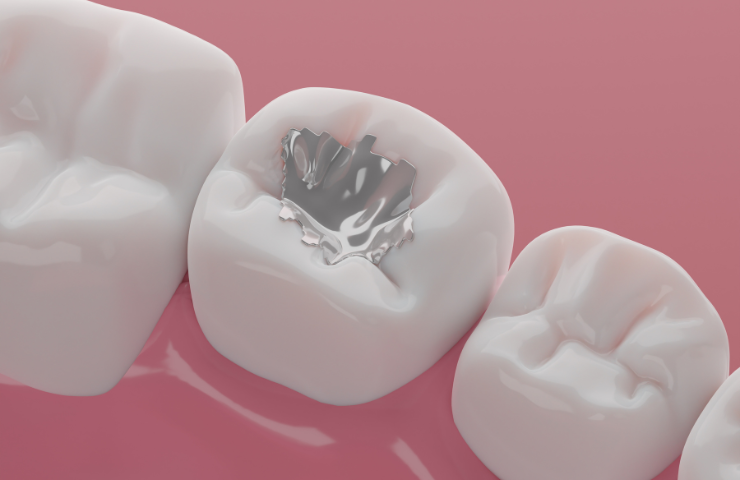
Visible cavities or pits in the teeth are another alarming symptom of tooth decay. With continuous decay causing the enamel to erode, a small dent or cavity develops on the tooth’s surface. It is often deeper and more pronounced, making it simple to notice whenever one inspects their teeth. The bacteria in your mouth feed on sugars from food and drinks, producing acid that erodes the enamel. If untreated over a long period, you will develop a gaping hole in the center of your tooth that will require dental fillings.
Toothaches
A persisting pain, most importantly one that lasts for days and sometimes weeks is a strong teller that a cavity is developing. This toothache can be bearable to unbearable depending on the severity of the cavity. If untreated, it can lead to severe problems as deep cavities can affect the soft tissue like the tooth’s pulp underneath. The inflammation underneath becomes more inflamed and painful, which may necessitate dental fillings.
Bad Odor From the Mouth Or A Bad Taste
Alongside persistent bad breath is an unusual taste that should not be ignored as it could suggest tooth decay. When cavities are formed, the decayed structure with food particles and cavity inducing bacteria create a neutral environment for more bacteria cultures, hence resulting in a foul smell. You may also notice a rather unfamiliar metallic taste when there is bad breath as mentioned before. As food gets stuck inside of the cavities, bacteria starts to feed on it and as a byproduct of this process, acids are emitted. This is substituted with bad breath. Unpleasant odors indicate decays and it requires dental fillings.
Dark Marks on the Teeth
Dark or even palter spots surrounding the gums are telltale signs of untreated tooth decay. These marks tend to begin as tiny brown blemishes morphing into a fully enlarged cavity over time. If you come across these spots, it is highly recommended that you book an appointment with your dentist so they can inspect the tooth for any potential complications. The brownish stains that form are due to the acid produced by the bacteria, which erodes the surface of the tooth.
Dental Fillings Can Save Your Teeth From Extractions
Tooth decay is a common dental problem that can lead to cavities requiring dental fillings. Detect symptoms early, such as tooth sensitivity, visible holes, persistent toothaches, bad breath, and dark spots. If you experience any of these symptoms, you must see your dentist for an evaluation. With proper care and timely intervention, you can keep your teeth healthy and avoid more extensive treatments in the future.


Ready to Experience Comfortable, Complete Dental Care
At City Park Dental, we’re here to help you achieve a healthier, more confident smile with personalized care for every stage of life. Whether you need a routine checkup, cosmetic treatment, or emergency dental support, our friendly team is ready to welcome you. Schedule your appointment today and discover dentistry designed around you.
Book Online
Live agent available 24/7

980-981-0357