Complimentary Implant Consultation

By City Park Dental | May 22, 2025
Many people get nervous at the mention of a root canal. But truthfully, this treatment is designed to rescue your tooth, not cause more pain. When infection or deep decay reaches the pulp inside your tooth, a root canal becomes the only way to save it. Without it, the tooth would need to be pulled.
This procedure doesn’t just stop the discomfort; it also preserves your natural structure, which is always the healthiest option.
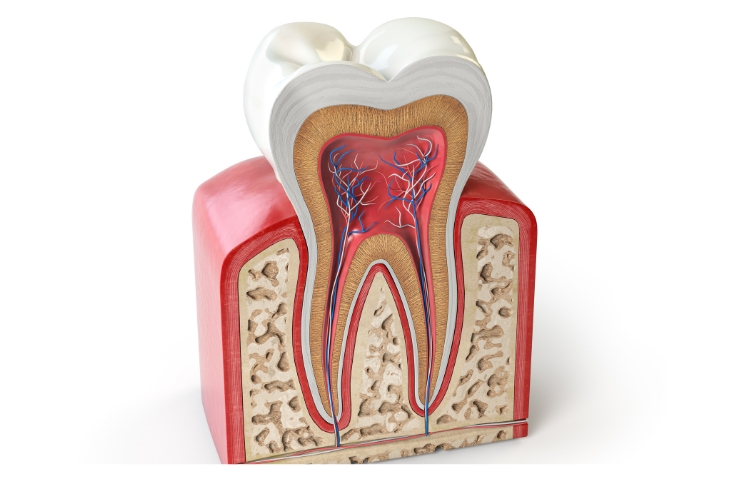
When the pulp inside your tooth becomes infected, it can no longer heal itself. Inflammation spreads quickly, leading to pressure, sensitivity, and swelling. If left untreated, that infection can travel to nearby tissues and bone. A root canal clears the infection at its source, removing the damaged pulp and filling the space with a strong material to reinforce your tooth.
What Happens During the Procedure
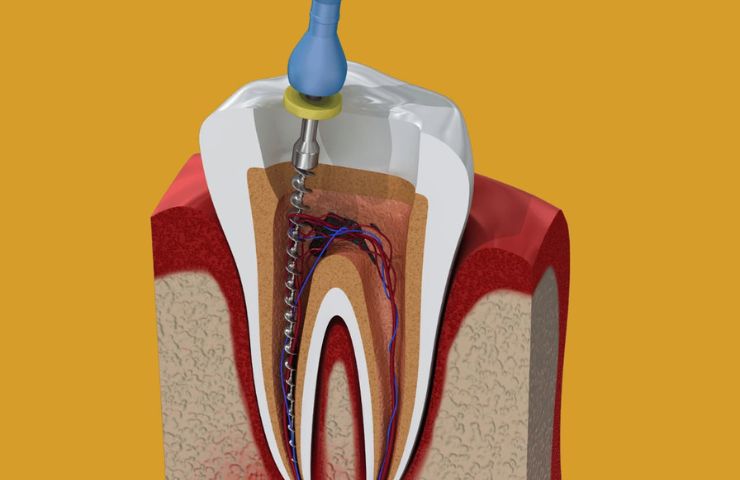
Root canal therapy might sound intense, but it follows a straightforward process. First, your dentist uses a local anesthetic to completely numb the area. Once the tooth is numb, they place a small shield around it to keep the site dry and free of bacteria. Then, they open the top of the tooth to access the infected pulp.
The pulp—made of nerves, connective tissue, and blood vessels—is removed, and the inner chamber is carefully cleaned. Using fine instruments, the dentist shapes the canals and disinfects the area. After that, the space is filled with a rubber-like material called gutta-percha, which seals the canal. Finally, your dentist will place a temporary or permanent filling or crown to restore the tooth’s appearance and strength.
Why Keeping Your Natural Tooth Matters
Saving your natural tooth is always preferable to extraction. Why? Because your natural teeth were designed to last a lifetime. Losing a tooth can cause surrounding teeth to shift, making it harder to chew and affecting your bite. This can also lead to bone loss in the jaw and even facial sagging over time.
A root canal allows you to avoid these issues. It retains the root structure of your tooth, which helps stimulate your jawbone and maintain alignment. It also means you don’t have to rely on bridges or implants to fill the space. Although those options are available when needed, preserving what nature gave you is usually the better route.
Symptoms That May Signal You Need a Root Canal
Not every toothache requires a root canal, but some symptoms point directly to the need for one. Persistent pain when chewing, especially on one side, may indicate damage deep within the tooth. Other signs include prolonged sensitivity to heat or cold, darkening of the tooth, and swelling of the gums near the affected area.
You might also notice a small bump on your gum that resembles a pimple. This is called a dental abscess, and it forms when pus accumulates due to infection. If you’re experiencing any of these symptoms, see a dentist promptly. Early treatment can prevent further complications.
Myths About Root Canal Therapy
Despite its reputation, a root canal is not a painful procedure. In fact, it relieves pain. With modern tools and local anesthesia, the treatment is no more uncomfortable than getting a filling. Many patients say the discomfort before the procedure was far worse.
Another common myth is that root canal-treated teeth don’t last. In truth, with proper care—including brushing, flossing, and regular dental visits—these teeth can last as long as your natural ones. It’s also a misconception that root canals require multiple long appointments. Most can be completed in one or two visits.
Post-Treatment Recovery and Care
After your root canal, your tooth may feel slightly sore for a few days. This is normal and can typically be managed with over-the-counter pain medication. Avoid chewing hard foods on that side until your dentist places a permanent crown or filling.
Once the tooth is fully restored, maintain it like your other teeth. That means consistent brushing, daily flossing, and twice-yearly checkups. If you grind your teeth, a nightguard might be recommended to prevent pressure that could damage the restored tooth. Good habits make all the difference in preserving the work done during your treatment.
When a Crown Is Necessary After a Root Canal
In most cases, a crown is recommended after root canal therapy, especially for molars or teeth that experience heavy chewing pressure. After the infected pulp is removed, the tooth becomes more brittle. A crown reinforces it, helping prevent fractures and restoring function.
Crowns are custom-made to match your natural tooth color and shape. Once in place, they blend in with your smile and allow you to eat normally again. Your dentist will help you decide whether a crown or filling is best, depending on the location and condition of your tooth.
Comparing Root Canal Therapy to Extraction
Tooth extraction might seem like a quick fix, but it comes with complications. Gaps in your smile affect chewing, cause misalignment, and impact your confidence. While dental implants and bridges can replace missing teeth, they’re more invasive and costly.
Root canal therapy offers a conservative approach that addresses the root problem—literally—without removing the tooth. It preserves your bite, protects your surrounding teeth, and helps maintain natural aesthetics. Choosing this route often means fewer future dental visits and fewer complications.
How Root Canal Therapy Improves Oral Health
One infected tooth can compromise your entire mouth. Infection can spread through tissues, enter the bloodstream, and even affect overall health. A root canal doesn’t just protect one tooth—it helps keep your entire oral ecosystem healthy.
By eliminating bacteria from the infected pulp, the therapy halts the spread of decay and protects surrounding gums and teeth. It also prevents bone deterioration around the root, which can occur after extraction. In short, this treatment is both preventative and restorative in nature.
Why Timely Treatment Matters
Delaying root canal therapy can lead to more intense pain and more extensive damage. The sooner you address the issue, the simpler and more effective the treatment will be. Waiting increases the risk of abscesses, bone loss, and spreading infection.
If your dentist recommends a root canal, don’t postpone it. Acting quickly means you’re more likely to save your tooth, avoid complex procedures, and maintain the health of your entire mouth. Taking early steps leads to long-term peace of mind.
Your natural teeth are worth saving. Root canal therapy provides a reliable way to protect them, eliminating infection while keeping your smile intact. If you’re experiencing symptoms that point to infection or your dentist has suggested this treatment, trust that you’re making a choice that supports your long-term oral health. If you’re in need of quality care, look into options for a Root Canal Therapy in Charlotte provider who specializes in tooth preservation and gentle treatment.

Ready to Experience Comfortable, Complete Dental Care
At City Park Dental, we’re here to help you achieve a healthier, more confident smile with personalized care for every stage of life. Whether you need a routine checkup, cosmetic treatment, or emergency dental support, our friendly team is ready to welcome you. Schedule your appointment today and discover dentistry designed around you.
Book Online
Live agent available 24/7

980-981-0357