Complimentary Implant Consultation


By City Park Dental | November 3, 2025
Chipping or cracking a tooth is never fun, and it can leave you feeling anxious. Maybe it happened because you bit down on something hard, or maybe it’s just years of wear catching up with you. Either way, you don’t want to ignore it. That little chip can open the door to pain, discomfort, and bigger dental problems down the road. But here’s the upside: a root canal can often save your tooth and get your smile back on track.
What’s a root canal all about?
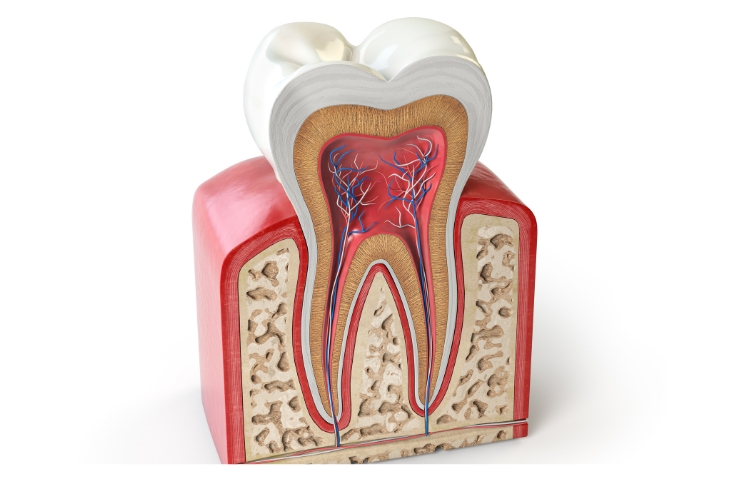
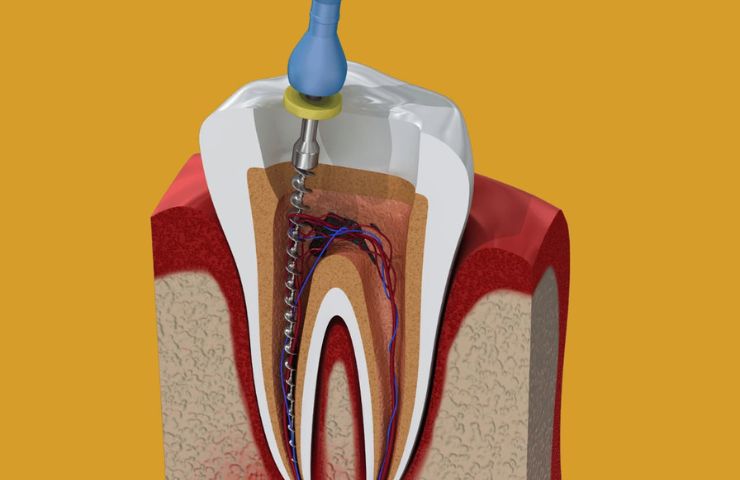
At its core, it’s a way to rescue a tooth that’s in trouble—serious trouble from decay or injury. When you crack or chip a tooth, bacteria can get inside and infect the soft tissue (that’s the pulp) deep in the middle. That’s what causes that throbbing or sharp pain people talk about. During a root canal, your dentist removes all the infected material, cleans out the inside, and seals it so no more bacteria can sneak in. Once it’s done, your tooth stays put—you don’t have to lose it.
People tend to get nervous when they hear “root canal,” but honestly, it’s a pretty standard dental fix these days. Dentists do them all the time. Most folks bounce back quickly and feel a lot better once the infection is gone.
Why go for a root canal instead of just removing the tooth?
Well, it’s not just about what you see in the mirror. When a tooth cracks, the pulp inside can get exposed and infected. Leave it untreated, and that infection can spread to your gums, bone, or even other teeth. That’s a recipe for more pain and bigger problems, including losing the tooth completely.
A root canal gets right to the heart of the issue. By clearing out the infection, it stops it from spreading and keeps your natural tooth where it belongs. Here’s why people choose root canals:
- It stops the infection. The dentist removes bacteria, so it doesn’t spread to other teeth or gums.
- You keep your own tooth. Pulling a tooth leaves a gap, but a root canal lets you hold onto the real thing, which is better for chewing and keeping your smile looking natural.
- It relieves pain. Most of the ache comes from that infected pulp. Once the dentist removes it, the pain usually goes away fast.
What happens during a root canal?
Here’s the rundown:
- First, your dentist will check the tooth, probably take an X-ray, and see how deep the damage goes. This helps them figure out if a root canal is really what you need.
- Next, they’ll numb up your mouth so you don’t feel a thing. They’ll make a small opening in the tooth, clear out the infected pulp, and clean everything inside.
- Once it’s clean, they fill the space with a safe, tooth-friendly material. This seals things off and keeps bacteria out.
- Usually, they’ll finish by putting a crown on your tooth. That adds strength and protects it from future cracks or chips—especially important if the tooth was already weak.
Not every chipped or cracked tooth needs a root canal. Small chips that don’t reach the pulp can usually be fixed with a quick filling or some bonding. But if the crack goes deep or you’re in pain, a root canal is often the best way to save the tooth and stop the pain for good.
If you chip or crack a tooth, don’t wait around. The sooner you get to the dentist, the better your odds of fixing it and avoiding bigger problems.
Living in Charlotte and dealing with a tooth like this? You’ve got treatment options. Dentists at City Park Dental here handle root canals every day and can walk you through what to expect, keep you comfortable, and get you back to your routine fast.
FAQs
1. How long does a root canal take for a cracked tooth?
Typically, the procedure can take between 60 and 90 minutes, depending on the complexity of the damage. Some patients may need two visits.
2. Will I feel pain during the root canal?
Thanks to local anesthesia, you shouldn’t feel pain during the procedure. Some soreness afterward is normal, but it can be managed with over-the-counter pain relievers.
3. Can a root canal restore a severely cracked tooth?
Yes, in many cases, a root canal can restore a cracked tooth by removing the infected pulp and sealing the tooth. A crown may be needed to provide additional strength.
4. How do I know if I need a root canal for my cracked tooth?
If you experience pain, sensitivity, or swelling, it’s a sign that the damage may have affected the pulp, which might require a root canal. Your dentist will evaluate the situation with an X-ray.
5. Can a root canal help with a chipped tooth that isn’t painful?
Even if the tooth isn’t painful, if the chip exposes the pulp or poses the risk of infection, a root canal may be necessary to preserve the tooth.

Ready to Experience Comfortable, Complete Dental Care
At City Park Dental, we’re here to help you achieve a healthier, more confident smile with personalized care for every stage of life. Whether you need a routine checkup, cosmetic treatment, or emergency dental support, our friendly team is ready to welcome you. Schedule your appointment today and discover dentistry designed around you.
Book Online
Live agent available 24/7

980-981-0357