Complimentary Implant Consultation - Savings up to 50%


By City Park Dental | May 16, 2025
Getting a tooth removed is never anyone’s first choice, but sometimes it’s the most sensible step toward better oral health. Whether you’re dealing with severe decay, an impacted wisdom tooth, or crowding issues, knowing what to expect before, during, and after a tooth extraction can ease anxiety and help you recover faster.
Let’s walk through the complete process—from pre-extraction preparation to the post-op care you’ll need for healing.
Reasons You Might Need a Tooth Pulled
When Keeping the Tooth Isn’t the Healthiest Option
While most dental treatments aim to save teeth, there are cases when removal is unavoidable. One of the most common reasons is advanced tooth decay. When a cavity reaches the pulp and the infection spreads beyond the root, extraction may be the only solution.
Impacted wisdom teeth, often trapped beneath the gums, can push against nearby teeth and cause pain or infection. In orthodontic cases, extractions may be required to make space for proper alignment. Severe gum disease, fractured teeth, and overcrowding are also leading causes.
Each case is unique, so your dentist will explain why extraction is the best option and how it contributes to long-term oral health.
What Happens Before the Extraction
The Evaluation and Preparation Stage
Before your appointment, your dentist conducts a full assessment. This typically includes dental X-rays to examine the tooth’s position and the surrounding bone. You’ll also go over your medical history—medications, allergies, and any underlying conditions like diabetes or heart problems.
In some cases, antibiotics might be prescribed ahead of time, especially if there’s a risk of infection. Your dentist will also provide instructions about eating or drinking before the procedure, particularly general anesthesia is planned.
Open communication is key. If you’re anxious or have concerns, this is the right time to discuss them. Don’t hesitate to ask questions about pain management, or healing time.
During the Extraction
What You’ll Feel and What You Won’t
The day of your extraction, the dental team will keep you comfortable from start to finish. Depending on the complexity of the removal, your dentist might use local anesthesia or general anesthesia.
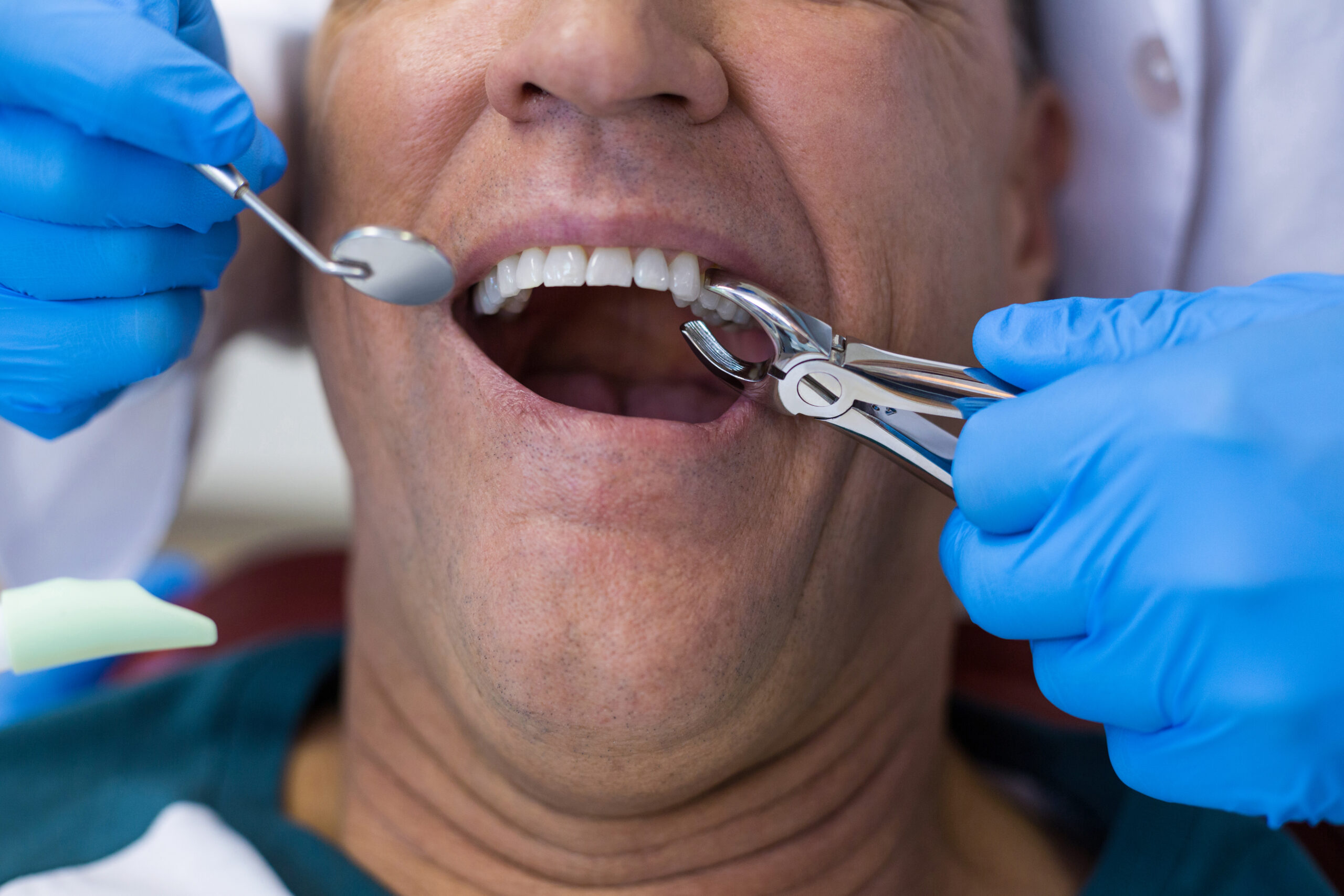
Simple extractions—typically for visible teeth—are usually done with local anesthesia. You may feel pressure, but no sharp pain. Surgical extractions, which are often required for impacted or broken teeth, involve a small incision in the gum and sometimes the removal of bone.
Despite how it sounds, the process is relatively quick. The dentist uses specialized instruments to loosen and remove the tooth efficiently. You’ll likely feel some tugging or pushing, but nothing painful, thanks to the anesthesia.
Right After the Extraction
What to Expect in the First 24 Hours
As soon as the procedure is over, your dentist places gauze over the extraction site to control bleeding. Bite down gently but firmly to help a clot form—a crucial part of the healing process. You may also be given an ice pack to reduce swelling.
Post-op instructions include avoiding hard or crunchy foods, skipping straws, and not smoking. These steps protect the clot and reduce the risk of dry socket, a painful condition that occurs when the clot is dislodged.
Mild bleeding, swelling, and discomfort are normal during the first 24 to 48 hours. Over-the-counter pain medications usually help manage this, but your dentist might prescribe something stronger if needed.
How to Support Healing in the First Week
Key Tips to Avoid Complications and Speed Up Recovery
The healing timeline varies, but most people feel significantly better within 3 to 5 days. In the meantime, proper care is essential. Stick to soft foods like mashed potatoes, yogurt, smoothies (no straws), and scrambled eggs.
Gently rinse your mouth with salt water starting 24 hours after surgery. This helps keep the area clean without disturbing the clot. Avoid brushing directly on the extraction site for a few days, but maintain overall oral hygiene.
Avoid vigorous activity and keep your head elevated when lying down. Swelling usually peaks on day two and starts decreasing by day three. If pain worsens instead of improving, or you notice foul odor or pus, call your dentist right away.
When to Get Back to Daily Life
Understanding the Timeline for Recovery and Normal Activities
Most patients can return to work or school within two to three days, especially after a simple extraction. If the procedure was more complex, like removing impacted wisdom teeth, you might need a little more downtime.
Your dentist will guide you on when it’s safe to resume activities like exercise, sports, or heavy lifting. The key is to listen to your body. If you’re still feeling tired or sore, give yourself another day to rest.
Remember to finish any prescribed antibiotics and attend follow-up appointments. These help ensure your mouth is healing properly and allow your dentist to address any concerns early.
Long-Term Healing and Bone Health
What Happens After the Socket Closes
Once the soft tissue heals, the bone underneath continues to reshape. This process, called bone remodeling, takes several weeks to months. If you plan on replacing the missing tooth with an implant, bridge, or denture, your dentist may recommend bone grafting.
Missing teeth can lead to the shifting of nearby teeth and bone loss over time. It’s important to discuss restoration options to maintain your bite and appearance. Depending on your situation, your dentist might refer you to a specialist for replacement planning.
Emotional Side of Tooth Removal
It’s More Than Just a Physical Recovery
Tooth removal can sometimes stir unexpected feelings. For many people, there’s a sense of loss, especially if the extracted tooth was visible or part of their smile. Children and adults alike may also feel nervous about how they look or how they’ll chew.
Don’t ignore these emotions. Talk to your dentist about cosmetic and functional options, like implants or partial dentures. Replacing the tooth not only improves your smile but also supports your mental well-being and confidence.
Making the Right Choice for Your Oral Health
Tooth extractions may sound daunting, but with the right care and guidance, the process can be smooth and manageable. By understanding each phase—before, during, and after—you’ll feel more confident and prepared. Clear instructions, open communication with your provider, and proper home care all play a role in a positive outcome. If you’re searching for a provider with experience in Tooth Extractions in Charlotte, make sure they offer personalized treatment plans and take time to explain your options thoroughly. Your comfort, health, and confidence matter every step of the way.

Related Articles
Ready to Experience Comfortable, Complete Dental Care
At City Park Dental, we’re here to help you achieve a healthier, more confident smile with personalized care for every stage of life. Whether you need a routine checkup, cosmetic treatment, or emergency dental support, our friendly team is ready to welcome you. Schedule your appointment today and discover dentistry designed around you.
Book Online
Live agent available 24/7

980-981-0357