Complimentary Implant Consultation - Savings up to 50%
By City Park Dental | April 30, 2025
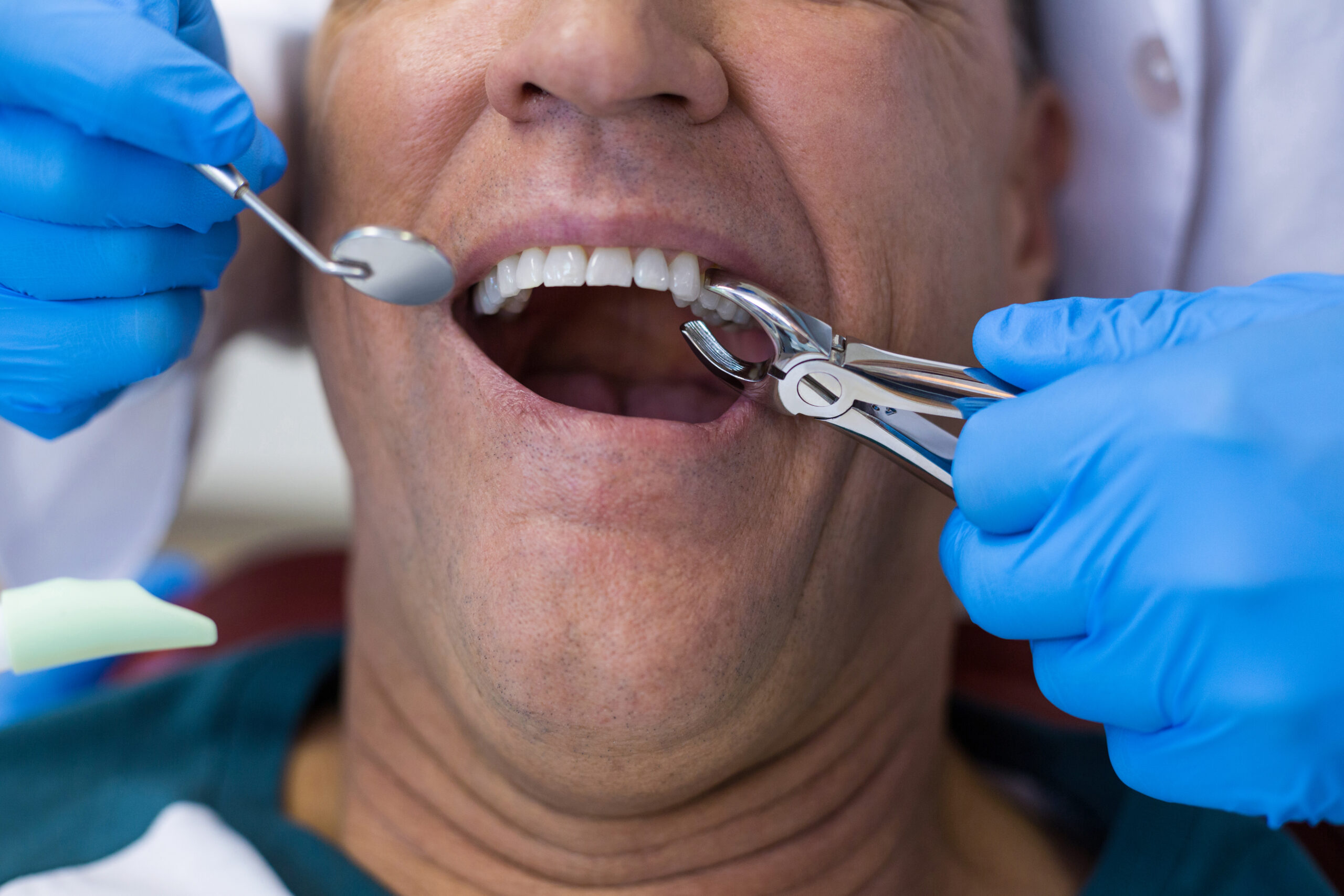
Tooth pain can be frustrating—but sometimes, it’s more than just a minor issue. In some cases, the damage is too deep, and tooth extractions become necessary. While the idea of losing a tooth might sound scary, it’s often the best step toward healing and comfort.
In this blog, we’ll walk you through five clear signs that may signal it’s time to remove a tooth. We’ll also share a powerful fact and explain why acting early can save your smile—and your health.
Don’t Miss These Red Flags Before It’s Too Late!
1. Severe Tooth Pain That Won’t Go Away
If you’re experiencing constant, throbbing pain in your tooth, even when you’re not eating or drinking, it could mean the tooth is damaged beyond repair. When the pulp (the innermost part of the tooth) becomes infected or exposed, it can lead to intense discomfort.
In many cases, root canal treatment can help—but when the damage is too extensive, a tooth extraction might be the only solution to relieve the pain and stop the infection from spreading.
2. A Tooth Is Cracked Below the Gum Line
Chipped teeth can usually be fixed with fillings or crowns, but if a crack extends below the gum line, it becomes much harder to save the tooth. Deep fractures often make the tooth unstable and vulnerable to bacteria, leading to infections and gum disease.
If a dentist sees that the crack is too deep to repair, they may recommend a tooth extraction to protect your oral health.
3. Advanced Gum Disease
Gum disease (also known as periodontitis) doesn’t just affect your gums—it can damage the bone that supports your teeth. When the bone gets weak, your teeth can become loose and may eventually fall out on their own.
In some cases, it’s safer to remove a loose tooth before it causes more issues. Extraction also makes it easier to treat gum disease and prevent further damage to your mouth.
According to the American Dental Association, over 10 million wisdom teeth are extracted every year in the U.S. alone—many due to crowding, decay, or infection. Though not all tooth extractions involve wisdom teeth, this shows how common and necessary the procedure can be for maintaining oral health.
4. Infection or Abscess That Won’t Heal
An abscess is a painful pocket of pus caused by a bacterial infection. It usually forms around the root of a decayed or broken tooth. If left untreated, the infection can spread to your jaw, neck, or even the bloodstream—becoming life-threatening.
When antibiotics and root canal therapy don’t work, tooth extractions in Charlotte are often the safest option to stop the infection and prevent serious health complications.
5. Impacted Wisdom Teeth
Wisdom teeth don’t always erupt the way they should. Some remain trapped under the gums (impacted), grow at odd angles, or crowd nearby teeth. This can cause pain, swelling, and increased risk of infection.
In these cases, wisdom tooth extractions are often recommended to avoid future complications and keep the rest of your smile aligned.
What To Expect After a Tooth Extraction?
Tooth extractions are common, quick, and usually painless thanks to modern anesthesia. Here’s what typically happens after the procedure:
- Slight swelling or discomfort for 1–3 days
- Soft food diet for a short period
- Avoiding smoking or using straws
- Gentle brushing and rinsing
The dentist may also suggest a replacement option such as a bridge, denture, or implant to keep your bite functional and maintain oral health.
Listen To What Your Mouth Is Telling You!
Tooth extractions may sound intimidating, but they’re often the best solution for lasting relief. Whether it’s pain, infection, or damage, removing the problem tooth can help restore your comfort, health, and confidence.
If you’re noticing any of these signs, don’t wait—schedule an appointment with our dentist today. Early action can mean an easier procedure, a faster recovery, and a healthier smile in the long run.
Related Articles

Ready to Experience Comfortable, Complete Dental Care
At City Park Dental, we’re here to help you achieve a healthier, more confident smile with personalized care for every stage of life. Whether you need a routine checkup, cosmetic treatment, or emergency dental support, our friendly team is ready to welcome you. Schedule your appointment today and discover dentistry designed around you.
Book Online
Live agent available 24/7

980-981-0357