Complimentary Implant Consultation - Savings up to 50%
By City Park Dental | March 26, 2025
Dental crowns are among the most popular cosmetic dental solutions for restoring functionality and enhancing the appearance of damaged teeth.
Whether you suffer from stained, cracked, decayed, or injured teeth, dental crowns can effortlessly solve your problem. A common question before investing in something is how long it will last. Well, it depends on multiple aspects. It primarily includes the quality of material, your lifestyle, and oral habits. The expertise of the dentist also matters to ensure precise fitting.
In this blog, you will learn the lifespan of dental crowns, factors that can influence their longevity, and ways to extend their lifespan.
Understanding Dental Crowns And Their Purpose
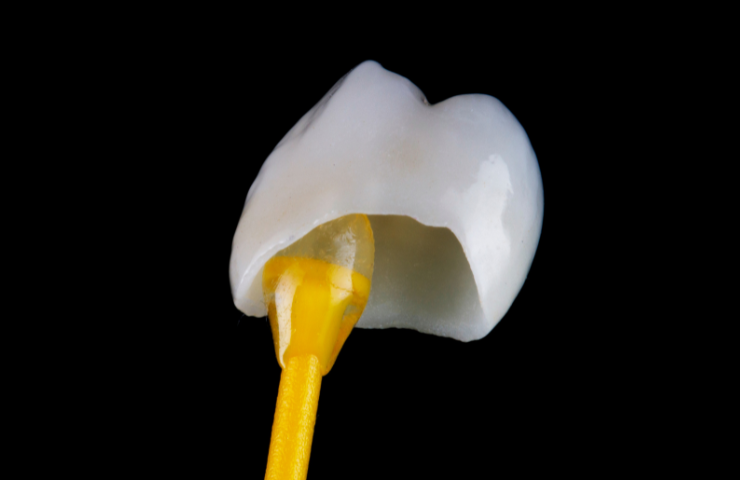
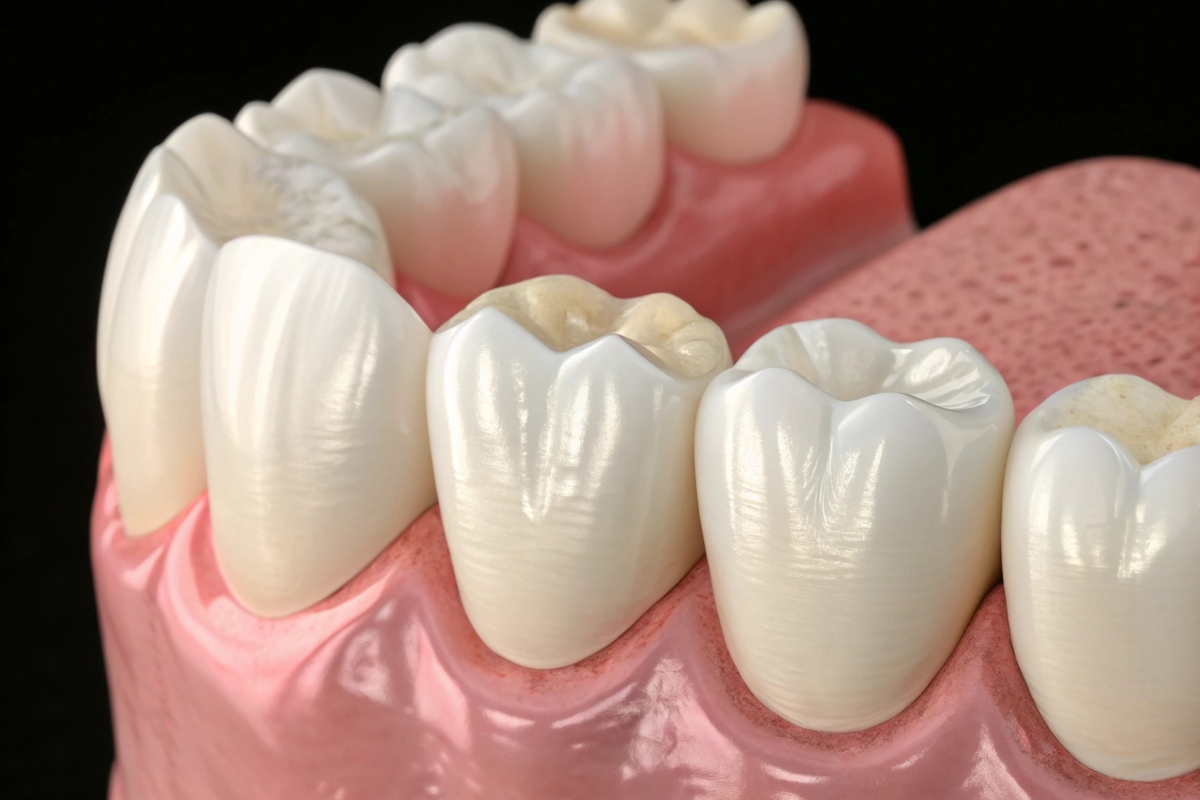
Let’s have a fair idea about dental crowns. They are protective caps that look absolutely like natural teeth. They make damaged teeth look natural and function like before. Crowns are generally made of metal, porcelain, or a combination of both. Dentists typically suggest porcelain crowns for the visible teeth and metal crowns for the molars. Fillings might not be enough to repair severely damaged teeth, and these caps are popularly used after root canal treatment. You can also consider dental crowns in Charlotte to improve the appearance of your dental structure.
Average Lifespan Of Dental Crowns
The average lifespan of dental crowns is between 10 and 15 years. They can even last beyond that with proper care and regular dental checkups. Various factors determine the life of dental crowns, including the material used, the patient’s oral hygiene habits, and the placement process. Metal crowns tend to last longer than porcelain crowns. You must understand that they will not last forever, just like we don’t. Patients should be able to spot the early signs of wear and tear and look for replacements.
Factors that Affect The Lifespan Of Crowns
The type of material plays a significant role in determining the life of dental crowns. Porcelain crowns have recently gained massive popularity among patients for offering a natural look but might not last as long as metal crowns. The location of the crown is also essential as the crowns placed towards the back of your mouth need to withstand much more pressure than those placed in the front. Proper brushing and flossing can really extend the lifespan of your crowns by avoiding other dental problems. Personal lifestyle habits also matter, and you should avoid nail biting. Address quickly if you suffer from teeth grinding.
Signs That Your Crown May Need Replacement
Do you feel that your crown has become loose? If so, you need to visit your dentist as soon as possible. If you can spot cracks and chips on your dental crowns, it clearly indicates the need for replacement. Extreme tooth sensitivity around the edges of crowned teeth clearly states the wear down of the protective caps and that it is better to replace them quickly. Patients often counter consistent pain and discomfort when the dental crowns get damaged.
How to Extend the Life of Your Dental Crown
Maintaining good oral hygiene is the most essential way to extend the life of your crown. Keep your crowned tooth and surrounding gums clean by brushing at least twice daily with fluoride toothpaste and flossing daily. Try to avoid biting into very hard foods. If you grind your teeth at night, wearing a nightguard can protect your crown. You can extend the life of your protective dental caps by visiting your dentist regularly.
Extending The Lifespan Of A Dental Crown
Dental crowns are a reliable and durable solution for restoring damaged teeth, with an average lifespan of 10 to 15 years. By understanding the factors that influence the lifespan of crowns and practicing good oral hygiene, you can help ensure that your crowns last as long as possible. If you notice any signs of damage or discomfort, consult your dentist promptly to avoid further complications.
Ready to Experience Comfortable, Complete Dental Care
At City Park Dental, we’re here to help you achieve a healthier, more confident smile with personalized care for every stage of life. Whether you need a routine checkup, cosmetic treatment, or emergency dental support, our friendly team is ready to welcome you. Schedule your appointment today and discover dentistry designed around you.
Book Online
Live agent available 24/7

980-981-0357