Complimentary Implant Consultation - Savings up to 50%
By City Park Dental | July 9, 2024
Your smile is one of your most valuable assets, reflecting your confidence and overall well-being. But behind every smile lies the potential risk of oral cancer, a severe condition that often goes unnoticed until it’s too late. Oral cancer screening is a crucial preventive measure that can help detect early signs of cancer or precancerous conditions, ensuring timely intervention and better treatment outcomes. In this blog, we will explore how oral cancer screening can protect your smile, highlight the symptoms to watch out for, and emphasize the importance of regular screenings in maintaining oral health and overall wellness.
What Happens During an Oral Cancer Screening?
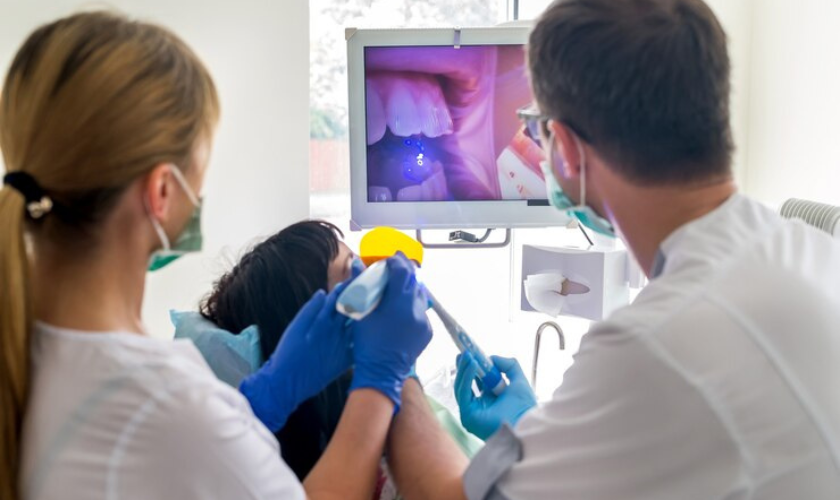
During an oral cancer screening, your dentist will thoroughly examine your mouth, including your gums, tongue, and throat. This examination involves looking for red or white patches, sores, or lumps that may indicate cancerous or precancerous changes. Sometimes, additional tests like a biopsy may be recommended if anything suspicious is found.
Why Early Detection is Crucial
Early detection of oral cancer significantly improves treatment outcomes. When identified early, the chances of successful treatment are higher, and the procedures required are often less invasive. This means preserving more of your natural tissue and enjoying better overall health.
Symptoms to Watch Out For
Being aware of the symptoms of oral cancer can help you catch potential issues early. Some common signs include:
- Persistent sores in the mouth that don’t heal
- Lumps or thickening in the cheek
- White or red patches on the gums, tongue, or mouth lining
- Difficulty chewing or swallowing
- Numbness in the mouth or tongue
If you notice any of these symptoms, schedule an appointment with your dentist immediately for an evaluation.
Risk Factors for Oral Cancer
Certain factors can increase your risk of developing oral cancer. Understanding these risks can help you take preventive measures. Common risk factors include:
- Tobacco use, including smoking and chewing tobacco
- Excessive alcohol consumption
- Human papillomavirus (HPV) infection
- Prolonged sun exposure, especially affecting the lips
- A diet low in fruits and vegetables
Minimizing these risk factors can reduce your chances of developing oral cancer.
Benefits of Regular Screenings
Regular oral cancer screenings offer numerous benefits that extend beyond your oral health. Here’s how they can make a difference:
Protecting Your Overall Health
Early detection of oral cancer through regular screenings can prevent the disease from spreading to other parts of the body. This proactive approach ensures that any signs of cancer are caught early, making treatment more effective and less aggressive.
Maintaining a Healthy Smile
Oral cancer treatments can sometimes involve surgeries that affect your mouth’s appearance and function. By catching cancer early, you can avoid extensive procedures and maintain a healthier, more natural smile.
How Often Should You Get Screened?
It’s generally recommended to undergo an oral cancer screening at least once a year, especially if you are at higher risk due to factors like tobacco use or family history. Your dentist can guide you on the appropriate frequency based on your risk profile.
What to Expect During Your Appointment
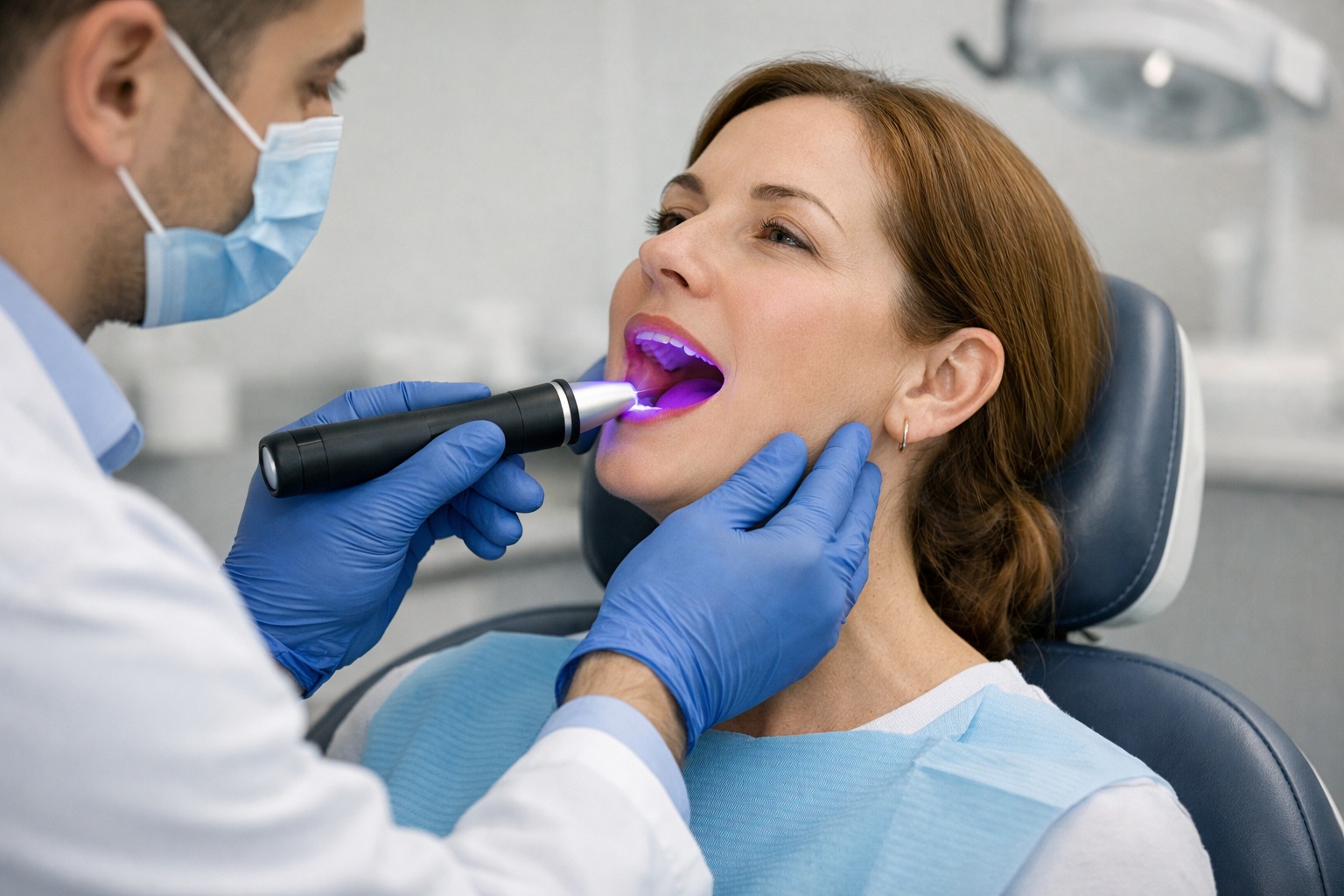
When you go for your oral cancer screening, your dentist will start by visualizing your mouth. They will use a light and a mirror to examine all areas, including hard-to-reach spots. The dentist may also palpate (feel) your neck and jaw for any unusual lumps or tenderness. Further tests may be conducted to ensure a thorough evaluation if anything unusual is found.
Advancements in Screening Technology
Modern technology has made oral cancer screenings more accurate and less invasive. Some advanced methods include:
Fluorescence Imaging
This technique uses a special light to detect changes in the tissues of your mouth that may not be visible to the naked eye. Fluorescence imaging can highlight abnormal areas, allowing for early intervention.
Brush Biopsy
A brush biopsy involves collecting cells from a suspicious area using a small brush. These cells are then examined under a microscope to detect any abnormalities. This method is quick, painless, and highly effective.
The Role of Self-Examinations
In addition to professional screenings, self-examinations can be valuable in catching early signs of oral cancer. Here’s how to conduct a self-exam:
- Check your lips and the front of your gums: Look for any unusual sores or color changes.
- Inspect the inside of your cheeks: Pull your cheeks out and look for red or white patches.
- Examine your tongue: Stick out your tongue and check all sides, including the underside.
- Look at the roof of your mouth: Use a mirror to check for any irregularities.
- Feel for lumps in your neck: Press around your jaw and neck to detect any unusual lumps or swelling.
If you find anything suspicious, schedule a visit with your dentist immediately.
Supporting Loved Ones Through Screening
If you have family members or friends who are hesitant about getting screened, encourage them by sharing the benefits and importance of early detection. Offer to accompany them to their appointment for moral support. Education and awareness can make a significant difference in promoting regular screenings.
Creating a Supportive Environment
Creating a supportive environment for loved ones can help alleviate their fears and misconceptions about oral cancer screenings. Provide reliable information and reassure them that the process is quick and painless, with significant long-term benefits.
Taking Control of Your Oral Health
Regular oral cancer screenings empower you to take control of your health. By staying proactive and informed, you can reduce your risk and catch any potential issues early. This proactive approach protects your smile and enhances your overall quality of life.
Making Screenings a Routine
Incorporate oral cancer screenings into your regular dental check-ups. Discuss your concerns with your dentist and develop a screening schedule that suits your needs. Consistency is key to effective prevention and early detection.
Partnering with Your Dentist
Your dentist plays a crucial role in maintaining your oral health. Regular visits allow for professional cleanings, examinations, and screenings. Open communication with your dentist ensures personalized care tailored to your specific needs.
Building a Trusting Relationship
Building a trusting relationship with your dentist can make your screenings and overall dental care experience more comfortable and reassuring. Don’t hesitate to ask questions or express concerns about the screening process.
Oral cancer screening is a vital preventive measure that can save your smile and your life. By staying informed and proactive, you can reduce your risk and ensure early detection of any potential issues. Schedule your screening today and take the first step towards a healthier, brighter future with your trusted dentist in Charlotte, NC.
Related Articles
Ready to Experience Comfortable, Complete Dental Care
At City Park Dental, we’re here to help you achieve a healthier, more confident smile with personalized care for every stage of life. Whether you need a routine checkup, cosmetic treatment, or emergency dental support, our friendly team is ready to welcome you. Schedule your appointment today and discover dentistry designed around you.
Book Online
Live agent available 24/7

980-981-0357